
Why Solar Panels are the Best Alternative to Grid Power

The global energy landscape is undergoing a seismic shift. For decades, the centralized power grid has been the undisputed backbone of modern civilization, providing the electricity that fuels our homes, businesses, and lives. However, the cracks in this aging infrastructure are becoming increasingly visible. Rising costs, environmental concerns, and a lack of resilience have led many to look for a better way. Enter solar energy—a technology that was once a niche luxury but is now the inevitable future of home energy. Transitioning from the grid to solar panels isn’t just an environmental statement; it is a superior strategic move for any homeowner looking for long-term security and financial independence.
alternative to grid power — 1. Protection Against Fuel Price Inflation and Subsidy Removals
With a focus on alternative to grid power, One of the most compelling reasons to switch to solar is the protection it offers against the volatility of the global energy market. Traditional grid power is heavily reliant on fossil fuels like coal and natural gas. These commodities are subject to wild price swings dictated by international geopolitics, supply chain disruptions, and corporate profit margins. For homeowners, this translates to unpredictable monthly utility bills that almost always trend upward.
Furthermore, many governments are beginning to phase out fossil fuel subsidies. While these subsidies once kept electricity prices artificially low, their removal is leading to sudden and significant price hikes. When you depend entirely on the grid, you are at the mercy of these economic shifts. Solar energy, by contrast, allows you to “lock in” your energy costs. Once the initial investment in panels and lithium batteries is made, the fuel—sunlight—is free. By generating your own power, you effectively insulate your household budget from the inflation and policy changes that plague traditional energy sources. This stability is a key advantage of solar technology over traditional utility systems.
2. Increasing Property Resale Value with Green Technology
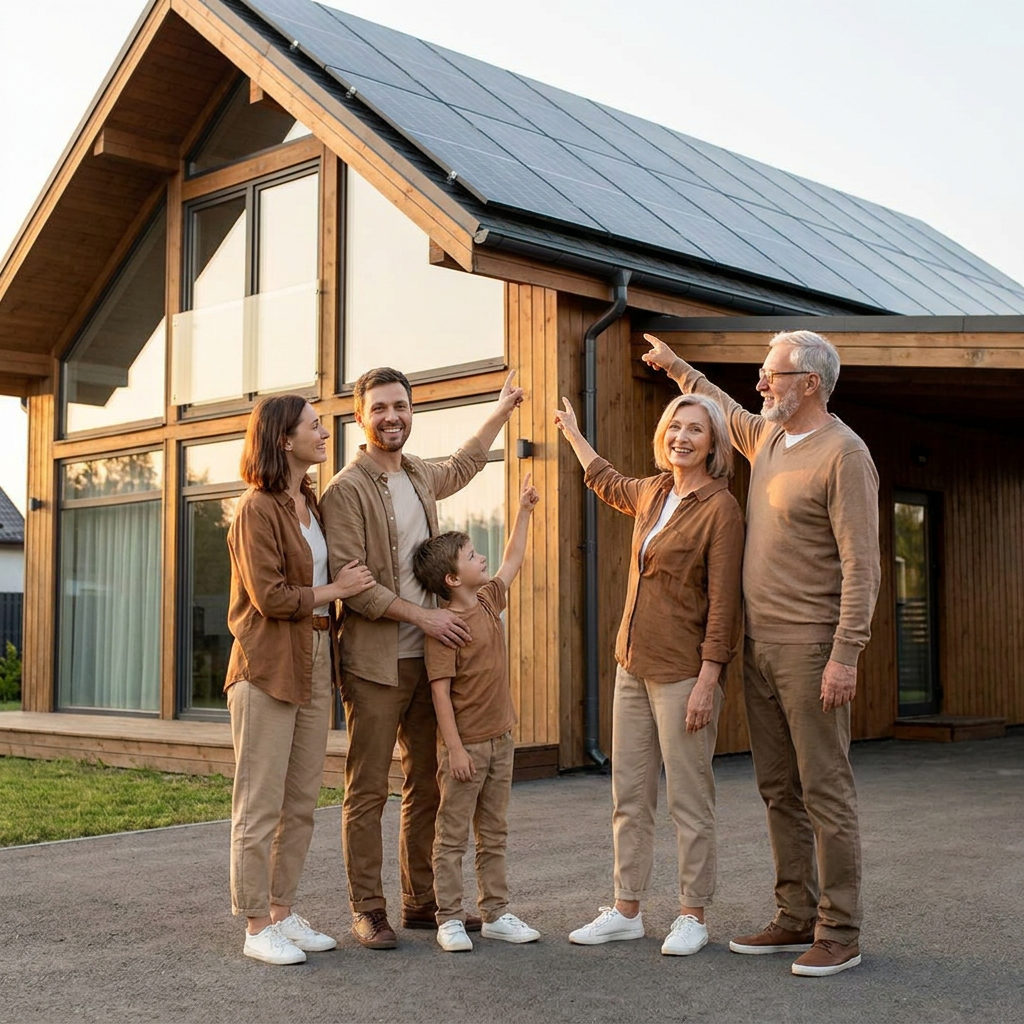
Investing in solar energy is not just about saving money on a monthly basis; it is about building equity in your home. Real estate markets around the world are seeing a surge in demand for “green” homes. Modern buyers, especially the younger generation, are increasingly conscious of their environmental footprint and the rising cost of living. A home equipped with a high-quality solar panel system is seen as a premium asset that offers both sustainability and efficiency. Integrating high-efficiency solar inverters is crucial for converting stored solar energy into usable electricity.
Studies have consistently shown that homes with solar energy systems sell for more than comparable homes without them. In many markets, the increase in property value can often cover the entire cost of the solar installation. This makes solar panels one of the few home improvements that offers a high return on investment (ROI) both through operational savings and increased resale value. When you install solar technology, you aren’t just buying equipment; you are upgrading your property to a more sustainable and marketable standard that will pay dividends when it comes time to sell. It is a long-term investment in your most valuable asset.
3. Decentralized Power Empowers Communities
The traditional energy grid is a centralized system, meaning power is generated at a few massive plants and distributed across a vast network of wires. This model is inherently vulnerable. A single failure—whether caused by a storm, a technical glitch, or an overloaded system—can plunge entire neighborhoods or even cities into darkness. This lack of resilience is a major drawback of our current energy infrastructure.
Solar energy offers a decentralized alternative. When homes in a community generate their own power, the entire region becomes more resilient. If the central grid fails, solar-powered homes with battery storage can continue to operate independently. This decentralization also empowers communities to take control of their own energy needs. In some areas, neighbors are even forming “microgrids,” sharing excess energy with one another through peer-to-peer networks. This shift from passive consumption to active production fosters a sense of independence and community strength. It transforms energy from a service you buy from a distant corporation into a resource you manage and share locally. This empowerment is a cornerstone of the renewable energy movement.
Conclusion: The Inevitability of Solar Energy
The transition to solar energy is no longer a question of “if,” but “when.” As battery technology continues to improve and the costs of solar panels continue to fall, the advantages of solar over the traditional grid will only become more pronounced. From the immediate financial protection against fuel price inflation to the long-term increase in property value and the societal benefits of decentralized power, solar energy is the superior choice for the modern homeowner.
By switching to solar today, you are positioning yourself at the forefront of a global revolution. You are choosing a future that is cleaner, cheaper, and more reliable. The sun has been powering the planet for billions of years; it’s finally time we let it power our homes. This journey towards a sustainable future begins with a single step: choosing solar panels as your primary energy source. The benefits are clear, the technology is ready, and the time is now.