
Revolutionizing Business Operations with Solar Energy

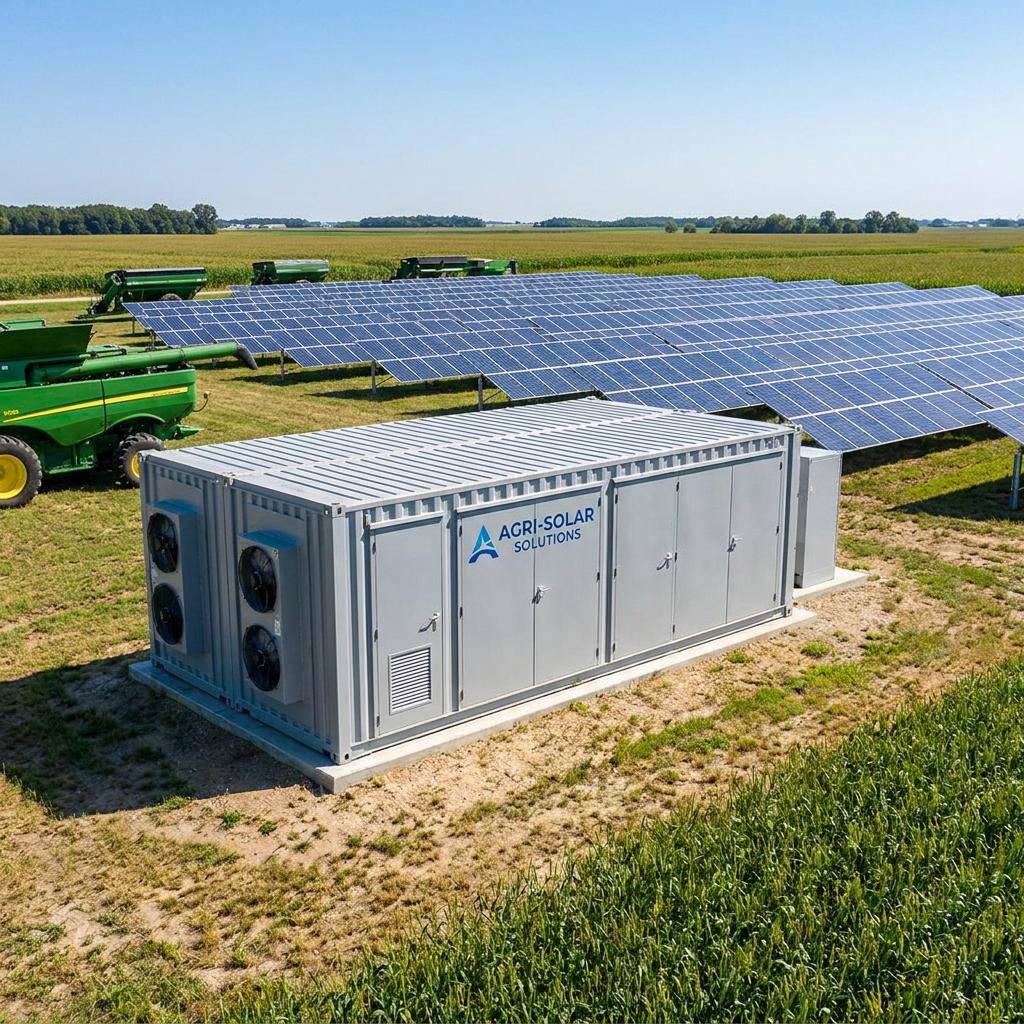
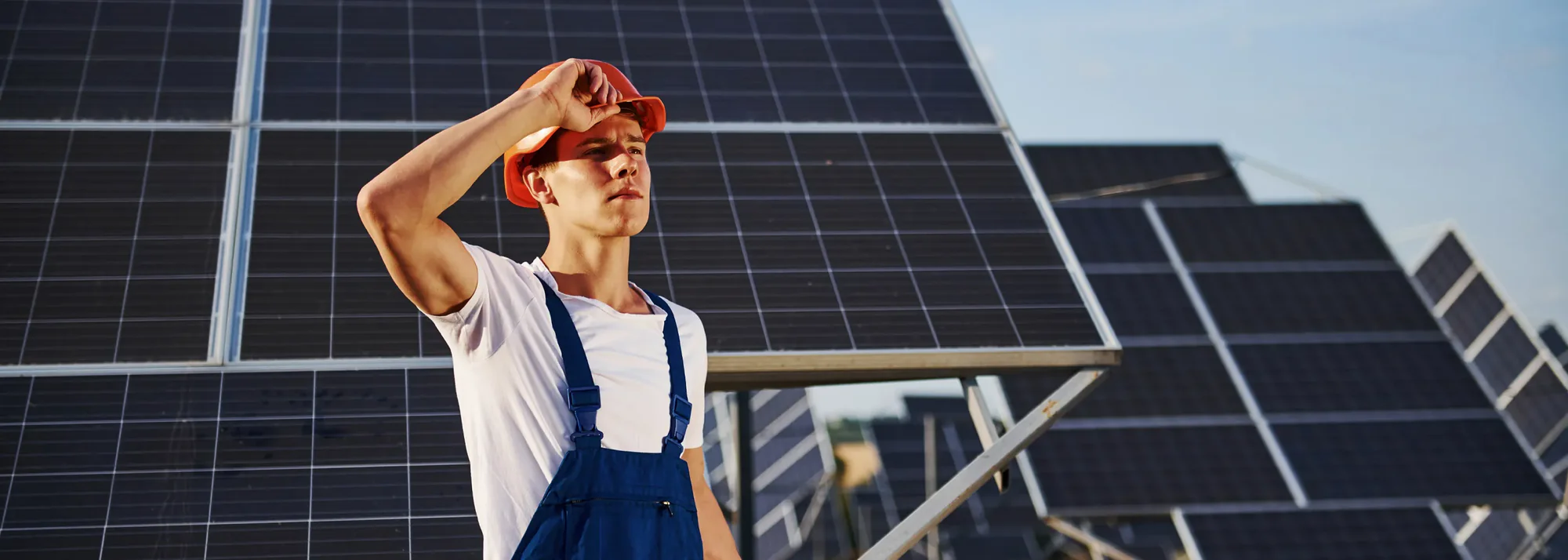
Commercial businesses across Nigeria are facing rising operational costs, primarily driven by energy expenses. As they seek reliable energy solutions, Commercial Solar Applications Nigeria are emerging as a revolutionary way to stabilize these costs and ensure business continuity. In an era where efficiency and sustainability are paramount, transitioning to renewable energy is no longer optional but a necessity for long-term success.
1. Logistics, Warehousing, and Commercial Solar Applications Nigeria
Logistics hubs and warehouses require significant power for lighting, security systems, and climate control. These facilities typically have vast rooftops that are ideal for high-capacity solar installations. By adopting solar energy, logistics companies can drastically reduce their overhead. Imagine a distribution center in Abuja that utilizes solar energy to power its fleet of electric forklifts and automated sorting systems—this level of efficiency is the future of Nigerian logistics.
Furthermore, solar power ensures that security systems, including 24/7 surveillance cameras and perimeter lighting, remain operational even during grid failures. This is critical for protecting high-value inventory. Additionally, for temperature-controlled warehouses, solar energy provides a cost-effective way to power cooling units, which are among the highest energy consumers in the logistics sector. By reducing reliance on diesel generators, companies also lower their maintenance costs and minimize the logistical headache of fuel procurement and storage. The transition to solar also simplifies the scalability of logistics operations. As a warehouse expands, more solar panels can be added to the existing array, providing a modular energy solution that grows with the business. This flexibility is particularly valuable in a dynamic market like Nigeria, where business needs can change rapidly. Moreover, solar energy provides a hedge against future electricity price increases, allowing logistics managers to forecast their energy costs with greater certainty.
2. Real Estate and Commercial Hubs
Modern commercial real estate is increasingly integrating solar energy into building designs. Office complexes and shopping malls can use solar power to offset common area expenses, such as elevators, hallway lighting, and security. This not only reduces the service charge for tenants but also increases the property value. Developers in Lekki and Victoria Island are already seeing high demand for ‘Solar-Ready’ office spaces as businesses look for ways to cut costs and meet their sustainability goals.
Beyond common areas, solar energy can be distributed to individual tenants, allowing them to benefit from lower energy bills. This creates a competitive advantage for property owners, as they can offer more attractive lease terms. The integration of building-integrated photovoltaics (BIPV), where solar panels are part of the facade or windows, is also gaining traction, combining aesthetic appeal with functional energy generation. This forward-thinking approach to real estate development is setting new standards for the Nigerian property market. Solar energy also enhances the marketability of commercial properties. Green certifications are becoming more important for multinational corporations when choosing office space. By achieving high energy performance through solar, developers can attract premium tenants who are willing to pay more for sustainable and cost-effective work environments. This leads to higher occupancy rates and better long-term returns for real estate investors.
3. Telecommunications and Data Centers
The telecommunications industry relies on 100% uptime. Cell towers in remote locations often run on expensive diesel generators that require frequent refueling and maintenance. By switching to solar-hybrid systems with high-capacity lithium batteries, telcos can ensure uninterrupted service while cutting maintenance and fuel costs by over 60%. This decentralization of power is key to expanding network coverage in rural and underserved areas.
Data centers, which are massive energy consumers due to their server loads and cooling requirements, also benefit immensely from solar-plus-storage solutions. These systems provide a reliable backup to maintain critical cooling systems during power outages, preventing hardware damage and data loss. As the digital economy in Nigeria grows, the demand for green data centers is increasing. Solar energy allows these facilities to scale their operations sustainably, reducing their overall environmental impact while ensuring high levels of service reliability.
Conclusion
Twerd Energy is at the forefront of this revolution, providing Nigerian businesses with the high-performance PV panels, solar inverters, and storage units needed to thrive in a modern economy. Our solutions are designed to handle the unique energy challenges of the Nigerian market, offering durability, efficiency, and significant long-term savings. Contact us today to see how we can transform your commercial energy strategy and help your business achieve its full potential.