
Solar vs. Grid Power: Why Nigerian Families are Switching

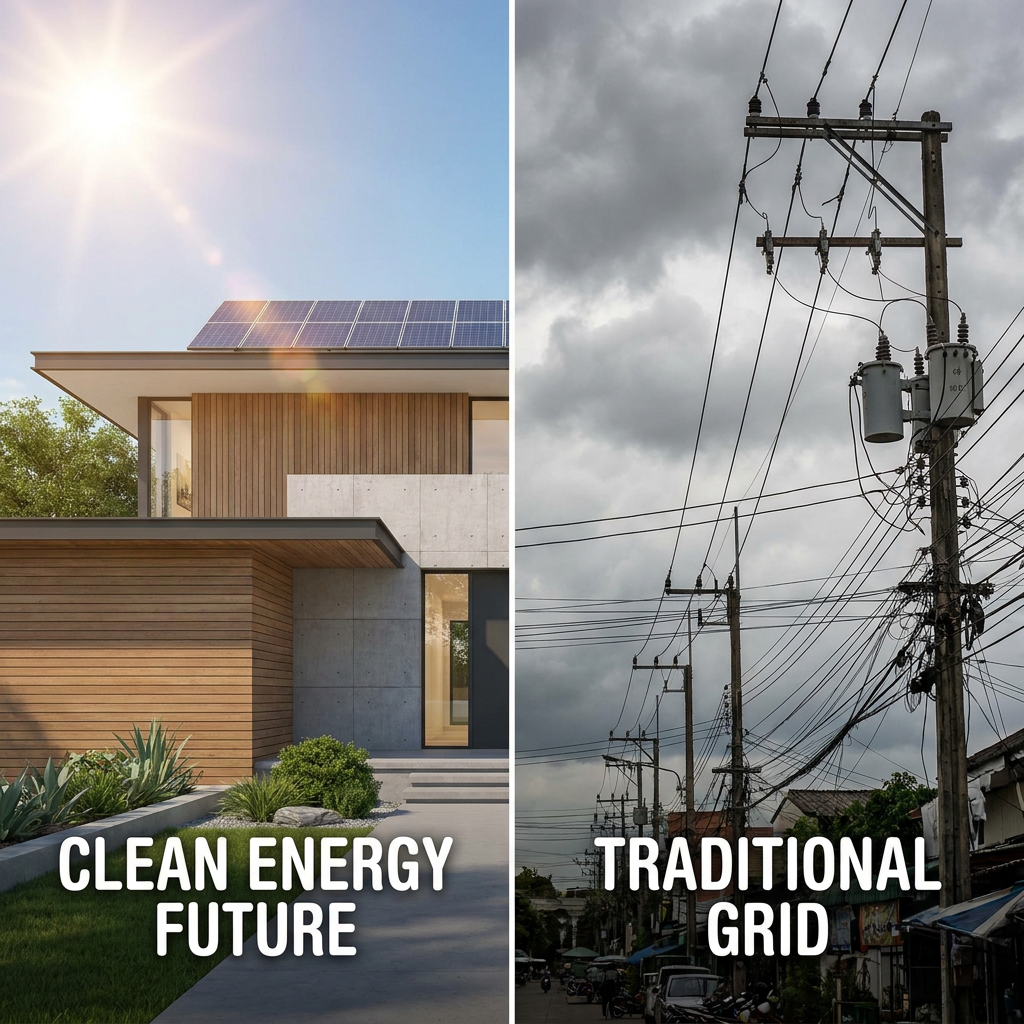
In recent years, the energy landscape in Nigeria has undergone a significant transformation. For decades, Nigerian households and businesses have relied almost exclusively on the national power grid, supplemented by loud, fume-emitting generators. However, as the grid becomes increasingly unreliable and the cost of maintaining generators skyrockets due to fuel subsidy removals, a new champion has emerged: Solar Energy. Today, thousands of Nigerian families are making the switch to solar panels, driven by the promise of cost savings, reliability, and independence. This article explores why solar is winning the battle against the traditional grid.
## 1. Drastic Reduction in Monthly Bills Despite Tariff Hikes
One of the most immediate and compelling reasons for the shift to solar is the financial burden of grid electricity. Nigeria has seen several rounds of electricity tariff hikes in recent years. For many families, especially those classified under Band A with 20+ hours of promised supply, monthly bills have doubled or even tripled. These costs are often unpredictable, leaving households struggling to budget for their monthly energy needs.
When you switch to solar, you essentially become your own power utility. While the initial investment in panels, inverters, and batteries can be significant, the long-term savings are undeniable. Once the system is installed, the fuel—sunlight—is free. Most residential solar systems in Nigeria pay for themselves within 3 to 5 years through saved electricity bills and reduced generator maintenance. In a country where inflation is a constant concern, locking in your energy costs for the next 20 to 25 years (the typical lifespan of solar panels) is a strategic financial move. Even with the grid as a backup, solar users report a reduction in their monthly bills by as much as 70% to 90%.
## 2. 24/7 Power Availability Regardless of Grid Collapses
The Nigerian national grid is notorious for its instability. Frequent grid collapses—sometimes occurring multiple times in a single month—leave the entire country or large regions in total darkness. Even when the grid is functional, “load shedding” means many neighborhoods only receive power for a few hours a day. This inconsistency disrupts daily life, ruins perishable food, and makes it impossible to work from home effectively.
Solar power offers a solution that the grid simply cannot match: consistency. With a properly sized solar system and battery storage, a Nigerian home can enjoy 24/7 electricity regardless of what is happening with the national grid. During the day, the panels power the house and charge the batteries. At night, the batteries take over. This seamless transition means no more rushing to turn on the generator when the lights go out during a favorite TV show or an important work call. For Nigerian families, this reliability isn’t just a luxury; it’s a necessity for a modern lifestyle.
## 3. Long-Term Energy Independence from Fuel-Dependent Generators
For years, the “I-better-pass-my-neighbor” generator was a staple in Nigerian homes. However, the era of cheap petrol is over. With the removal of fuel subsidies, the cost of running a petrol or diesel generator has become prohibitive for many. Beyond the cost, generators are noisy, require frequent servicing, and emit harmful carbon monoxide and other pollutants that contribute to respiratory issues.
Switching to solar provides ultimate energy independence. It frees families from the “petrol station queue” and the anxiety of rising fuel prices. Unlike generators, solar systems have no moving parts, meaning they require minimal maintenance—usually just a periodic cleaning of the panels. Furthermore, solar is a clean, silent energy source. Families can enjoy the peace of their homes without the constant drone of a generator in the background. By investing in solar, Nigerians are not just buying a product; they are buying peace of mind and contributing to a greener, more sustainable future for the country.
## Conclusion
The choice between solar and the grid is no longer just about being “eco-friendly.” In the Nigerian context, it is a pragmatic decision based on economics, reliability, and health. While the grid continues to struggle with infrastructure challenges and rising costs, the sun remains a constant, abundant resource. As solar technology becomes more affordable and financing options become more available, the trend of Nigerian families switching to solar is only set to accelerate. If you are tired of high bills, frequent blackouts, and the noise of generators, there has never been a better time to embrace the power of the sun.