
Why Monocrystalline Solar Panels are the Ultimate Choice for Nigeria’s Climate

As Nigeria continues to navigate its transition toward clean, reliable energy, the demand for solar power has never been higher. From bustling commercial centers in Lagos and Kano to residential neighborhoods in Abuja and Port Harcourt, individuals and business owners are seeking sustainable alternatives to grid instability and expensive generators. However, choosing the right solar solution is not a one-size-fits-all decision. The performance of your solar energy system is heavily influenced by local environmental factors, and in Nigeria, our unique climate presents distinct challenges.
When designing your solar setup, selecting the appropriate solar panels is the most critical decision you will make. While there are various options on the market, monocrystalline solar panels stand out as the absolute gold standard and the ultimate choice for Nigeria’s diverse and demanding weather patterns. Let us explore the science, efficiency, and practical reasons why monocrystalline technology is the superior investment for Nigerian homes and businesses.
1. Superior Performance in High Temperatures (Low Temperature Coefficient)
A common misconception about solar power is that “more heat equals more electricity.” In reality, solar panels are electronic devices, and like all electronics, their efficiency drops as they get hotter. Nigeria experiences intense, year-round heat, with ambient temperatures regularly soaring above 35°C in many regions, and even higher in the north.
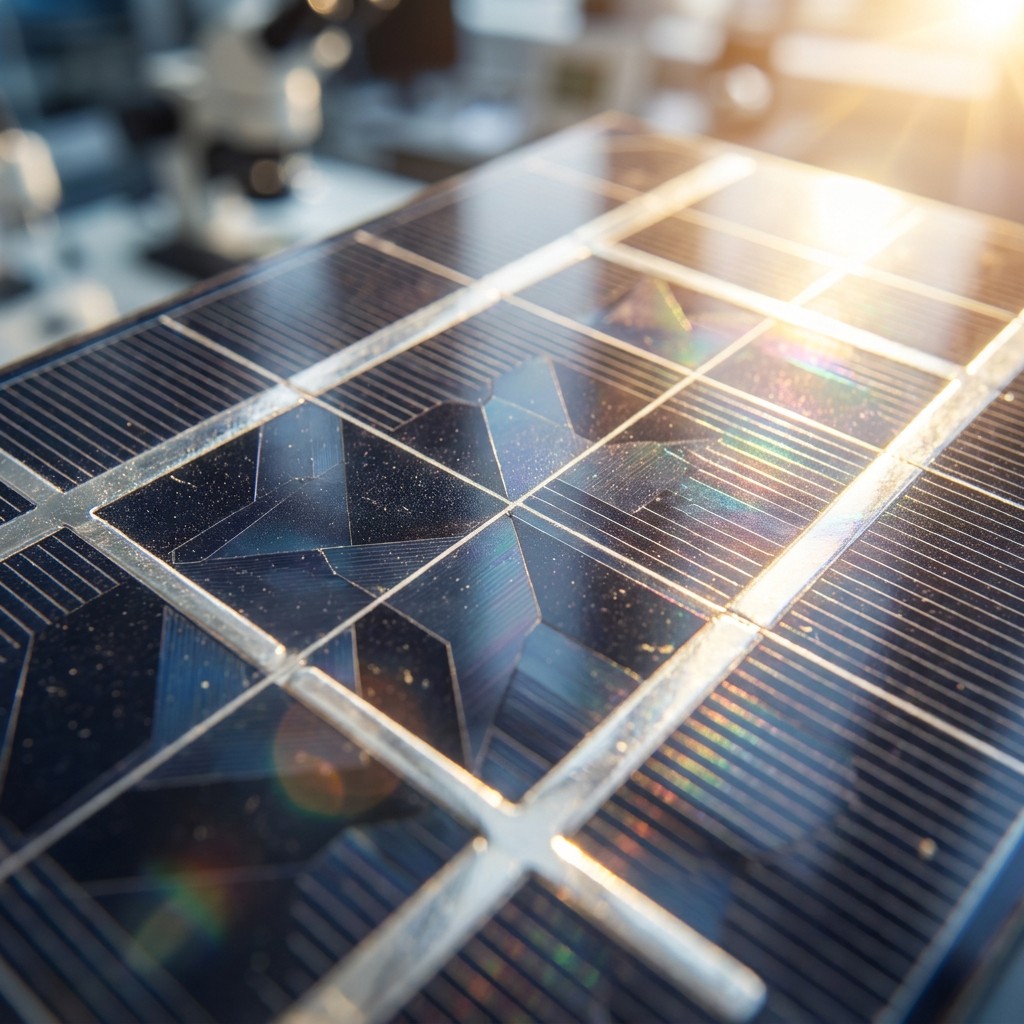
This is where monocrystalline solar panels truly outshine their competitors, particularly polycrystalline panels. Monocrystalline cells are manufactured from a single, pure crystal of silicon. Because of this high purity, they possess a lower “temperature coefficient.” This is a technical term indicating how much power a panel loses for every degree the temperature rises above the standard testing condition of 25°C.
Because monocrystalline panels have a superior temperature coefficient, they experience a much smaller drop in power output during the blistering midday heat. While other panels begin to drag and lose their charging capability, monocrystalline systems continue to deliver stable, high-efficiency power, ensuring your batteries are fully charged and your appliances run smoothly throughout the hottest hours of the day.
2. Resilience in Dusty Conditions and the Harmattan Season
Any Nigerian solar owner knows that dust is one of the greatest enemies of solar efficiency. During the annual Harmattan season, a thick blanket of dry, dusty air sweeps across the country from the Sahara Desert. This dust settles on the surface of solar panels, creating a physical barrier that blocks sunlight from reaching the silicon cells. This phenomenon, known as “soiling,” can reduce a solar system’s output by up to 20% to 30% if left unaddressed.
While regular maintenance and cleaning are essential, the inherent design of monocrystalline solar panels gives them a distinct advantage during these dusty periods. Because of the single-crystal structure, the electron flow within monocrystalline cells is highly organized and efficient. Even when sunlight is diffused or partially obstructed by a thin layer of fine Harmattan dust, monocrystalline panels are better at capturing scattered, low-intensity light. They utilize a broader spectrum of light than other panel types, allowing them to maintain a respectable energy yield even during hazy, dust-filled days. When combined with high-quality solar inverters that optimize power conversion and management, your system can easily overcome the seasonal limitations of the Nigerian climate.
3. Maximum Power on Space-Constrained Roofs
Urban living in Nigeria, especially in metropolitan areas like Lagos, often means dealing with limited space. Whether you live in a semi-detached duplex, a terrace house, or operate a business in a multi-story commercial building, rooftop real estate is a precious commodity.
Polycrystalline and thin-film solar panels require significantly more surface area to produce the same amount of wattage as monocrystalline panels. Because monocrystalline cells are cut from single-crystal ingots, they have the highest efficiency ratings on the market—typically ranging from 19% to over 22%.
What does this mean for you? It means you can generate significantly more electricity using fewer panels. For instance, if you have a small roof, you might only have space to mount 10 panels. If those panels are polycrystalline, they might generate only 3,000 watts of power. However, by choosing high-efficiency monocrystalline panels, those same 10 panels could easily generate 4,500 to 5,000 watts. This spatial efficiency is crucial for maximizing your return on investment and ensuring that your limited roof space can support your entire household load, including heavy appliances like air conditioners and refrigerators.
4. Durability and Long-Term Investment Value
Investing in solar is a long-term commitment. You want a system that will perform reliably not just next year, but twenty to twenty-five years from now. Monocrystalline panels are renowned for their longevity. Because they are made from ultra-pure, high-grade silicon, they degrade at a much slower rate than other technologies. Most premium monocrystalline panels come with a 25-year performance warranty, meaning they are guaranteed to produce at least 80% of their original rated power even after two and a half decades of exposure to Nigeria’s harsh sun and heavy rain.
Conclusion
While the initial upfront cost of monocrystalline solar panels may be slightly higher than other options, the long-term benefits are undeniable. Their ability to withstand intense tropical heat, deliver reliable power during hazy Harmattan months, and squeeze maximum energy out of limited roof space makes them the smartest financial and technical choice for Nigeria’s climate.
When you pair these premium panels with top-tier power management solutions, you create a robust, resilient, and independent energy system capable of powering your life seamlessly. Say goodbye to blackouts and noisy generator fumes—embrace the power of the Nigerian sun with monocrystalline solar technology.