The Future of Photovoltaics: Innovations Shaping a Sustainable Global Energy Landscape

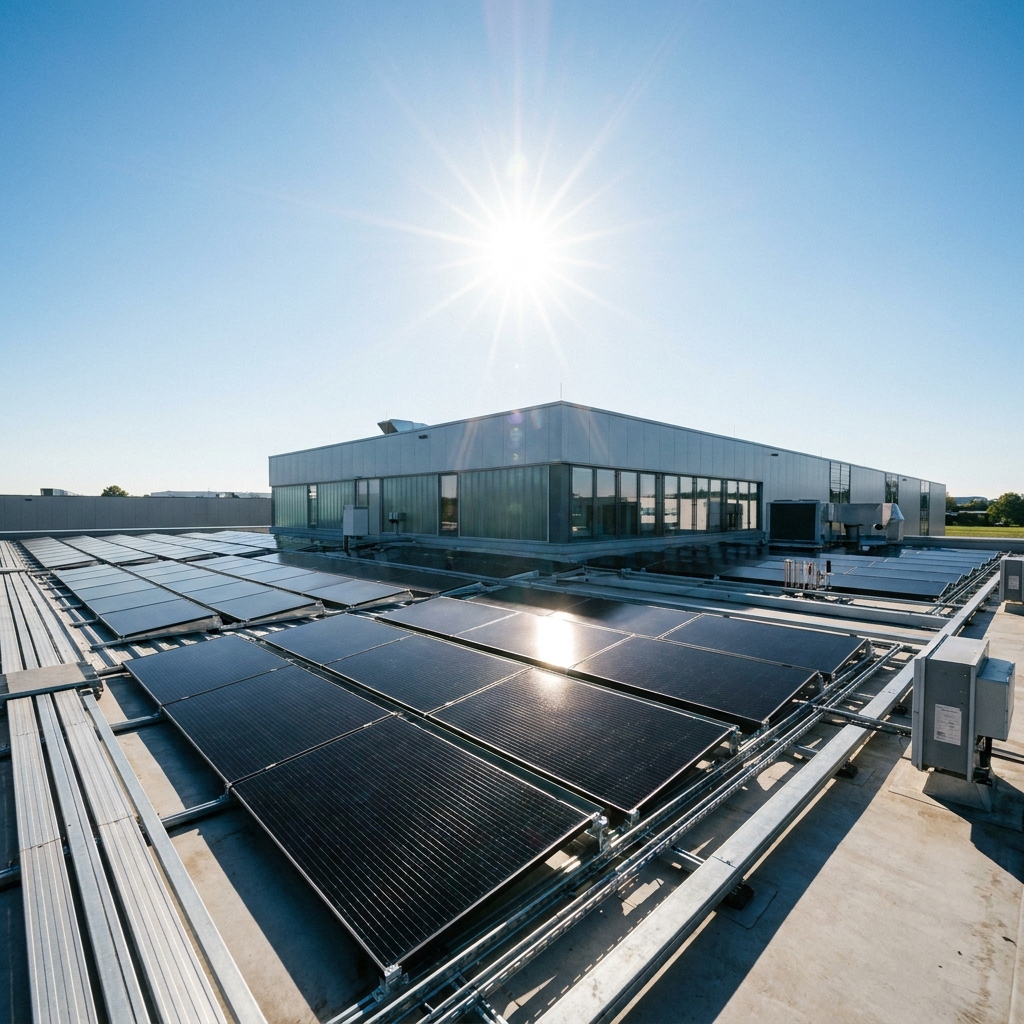
With a focus on the Future of Photovoltaics, the global energy landscape is undergoing a profound transformation, driven by the dual imperatives of climate change mitigation and the quest for energy security. At the heart of this revolution lies Solar Photovoltaics (PV), a technology that has transitioned from a niche experimental novelty to a dominant force in power generation. As we look toward the middle of the 21st century, PV products are not just evolving; they are diversifying, becoming more efficient, and integrating into the very fabric of our urban and rural environments. The future of PV is not merely about ‘panels on roofs’—it is about a sophisticated ecosystem of energy generation, storage, and intelligent management.
Future of Photovoltaics: Technological Evolution: Breaking the Efficiency Barrier
For decades, crystalline silicon has been the workhorse of the solar industry. However, we are reaching the theoretical limits of standard silicon cells. The future belongs to ‘N-type’ technologies like TOPCon (Tunnel Oxide Passivated Contact) and HJT (Heterojunction Technology), which offer higher efficiency and better performance in high-temperature environments—crucial for markets like Nigeria.
Even more exciting is the rise of Perovskite solar cells. These synthetic materials can be manufactured more cheaply than silicon and can be tuned to absorb different parts of the solar spectrum. The true ‘holy grail’ is the tandem cell—layering Perovskite on top of traditional silicon. Recent laboratory breakthroughs have shown tandem cells exceeding 33% efficiency, a massive leap from the 22% average of today’s commercial panels. This means generating more power from the same square footage, reducing the total land required for massive solar farms.
Innovative Applications: PV Everywhere
The future of PV products lies in their versatility. We are moving away from rigid, heavy panels toward flexible, lightweight, and even transparent materials. Building-Integrated Photovoltaics (BIPV) is a primary trend where solar cells act as windows, facades, and roof tiles. In this future, every building becomes a self-sustaining power plant without compromising architectural aesthetics.
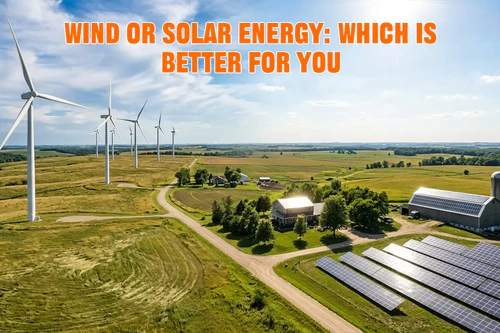
Beyond buildings, ‘Floatovoltaics’ (floating solar on reservoirs and lakes) is gaining traction. This technology saves land space and reduces water evaporation while the water naturally cools the panels, increasing their efficiency. Similarly, ‘Agrivoltaics’ allows farmers to grow crops beneath elevated solar arrays. The panels provide shade for heat-sensitive plants and reduce irrigation needs, creating a symbiotic relationship between food and energy production.
The Storage Synergy: The Rise of the Smart Ecosystem
A PV product in isolation is only useful during the day. The future of the industry is inextricably linked to Energy Storage Systems (ESS). The evolution of Lithium Iron Phosphate (LiFePO4) lithium batteries—such as those pioneered by Twerd—has provided a safe, long-lasting solution for 24/7 solar power.
However, the ‘product’ of the future is the ‘Smart Hybrid System.’ This includes intelligent solar inverters equipped with AI that can predict weather patterns, analyze household consumption habits, and decide whether to store energy, use it immediately, or sell it back to the grid. In the next decade, we will see PV products that are ‘grid-aware,’ helping to stabilize national grids rather than just drawing from them.
Economic and Environmental Impact
The Levelized Cost of Energy (LCOE) for solar is already lower than fossil fuels in many parts of the world. As manufacturing scales and technologies like Perovskites mature, costs will continue to plummet. This democratization of energy is particularly vital for emerging markets. In countries like Nigeria, decentralized PV systems are bypassing the failures of traditional centralized grids, bringing light and industry to remote areas.
Environmentally, the next generation of PV products will focus on the ‘Circular Economy.’ Solar manufacturers are increasingly investing in recycling programs to recover silver, silicon, and glass from decommissioned panels, ensuring that the transition to clean energy does not create a new waste crisis.
Conclusion
The future of PV products is bright, characterized by unprecedented efficiency, aesthetic integration, and intelligent synergy with battery storage. As we move forward, the focus will shift from simple hardware to integrated energy solutions. For companies like Twerd, this means continuing to innovate at the intersection of high-performance hardware and smart software. The sun provides more energy in one hour than humanity uses in a year; our future depends on how creatively and efficiently we can capture that gift.