
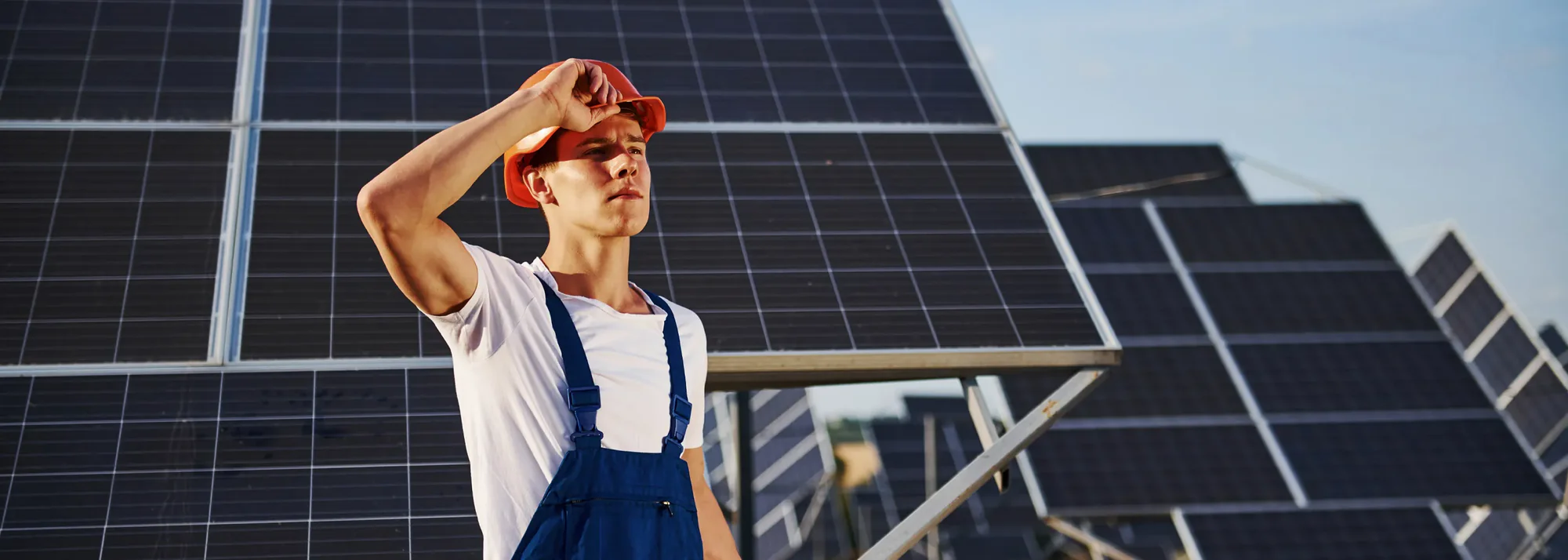
How Home Solar Panels Save You Thousands

In an era where energy costs are skyrocketing and environmental concerns are at the forefront of global discourse, home solar photovoltaic (PV) systems have emerged as a transformative solution. Transitioning to solar energy is no longer just an “alternative” choice; it is a strategic financial investment and a lifestyle upgrade. This article explores the multifaceted benefits of home solar PV systems, from significant cost savings to enhanced energy security.
Significant Financial Savings and ROI
The most immediate and compelling benefit of installing a home solar PV system is the reduction in electricity bills. By generating your own power, you decrease your reliance on the grid, effectively shielding yourself from rising utility rates. Depending on the size of the system and your energy consumption, it is possible to eliminate 70% to 100% of your monthly electricity costs.
Furthermore, solar energy offers a remarkable Return on Investment (ROI). While the initial installation cost can be significant, the system typically pays for itself within 5 to 10 years through bill savings and government incentives. Given that solar panels are designed to last 25 to 30 years, homeowners can enjoy two decades of essentially “free” electricity.
Increasing Property Value
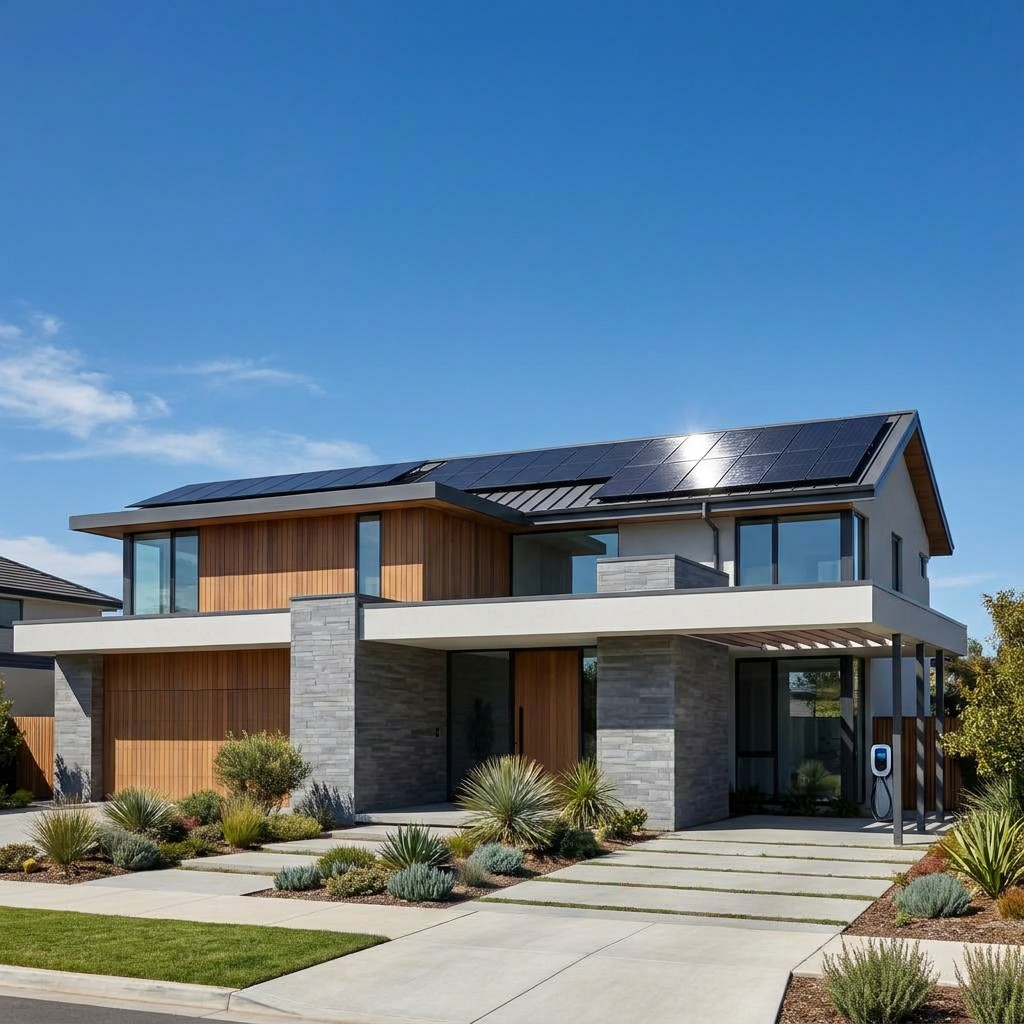
Investing in solar technology is also an investment in your home’s equity. Studies consistently show that homes equipped with solar energy systems sell faster and at higher prices than those without. Prospective buyers are increasingly attracted to the prospect of low energy costs and the modern, eco-friendly appeal of a solar-ready home. In many markets, a solar installation can increase a property’s value by 4% to 6%, often exceeding the initial cost of the system itself.
Energy Security and Independence
One of the lifestyle-altering benefits of solar energy is the peace of mind it provides during blackouts. When paired with a battery storage system, such as a lithium-ion battery, a solar PV system can provide backup power during grid failures. This ensures that critical appliances—like refrigerators, lighting, and medical equipment—remain operational, providing safety and comfort for your family during emergencies. Energy independence means you are no longer at the mercy of aging infrastructure or volatile energy markets.
Environmental Impact and Sustainability
For many, the move to solar is driven by a desire to reduce their carbon footprint. Solar power is a clean, renewable energy source that produces zero emissions during operation. By switching to solar, the average household can offset several tons of carbon dioxide annually, contributing to a healthier planet for future generations. It is a tangible way to participate in the global transition toward sustainability.
Low Maintenance and Longevity
Modern solar PV systems are incredibly durable and require minimal maintenance. With no moving parts, the risk of mechanical failure is low. Most systems only require occasional cleaning to remove dust or debris and a periodic inspection by a professional to ensure everything is functioning optimally. This low-maintenance aspect makes solar a “set and forget” solution for busy modern families.
Conclusion
The benefits of home solar photovoltaic systems are undeniable. Financially, they offer massive savings and high ROI. From a lifestyle perspective, they provide energy security, increase property value, and offer a sustainable way of living. As technology continues to advance and costs continue to fall, there has never been a better time to invest in the future of your home and the planet.