
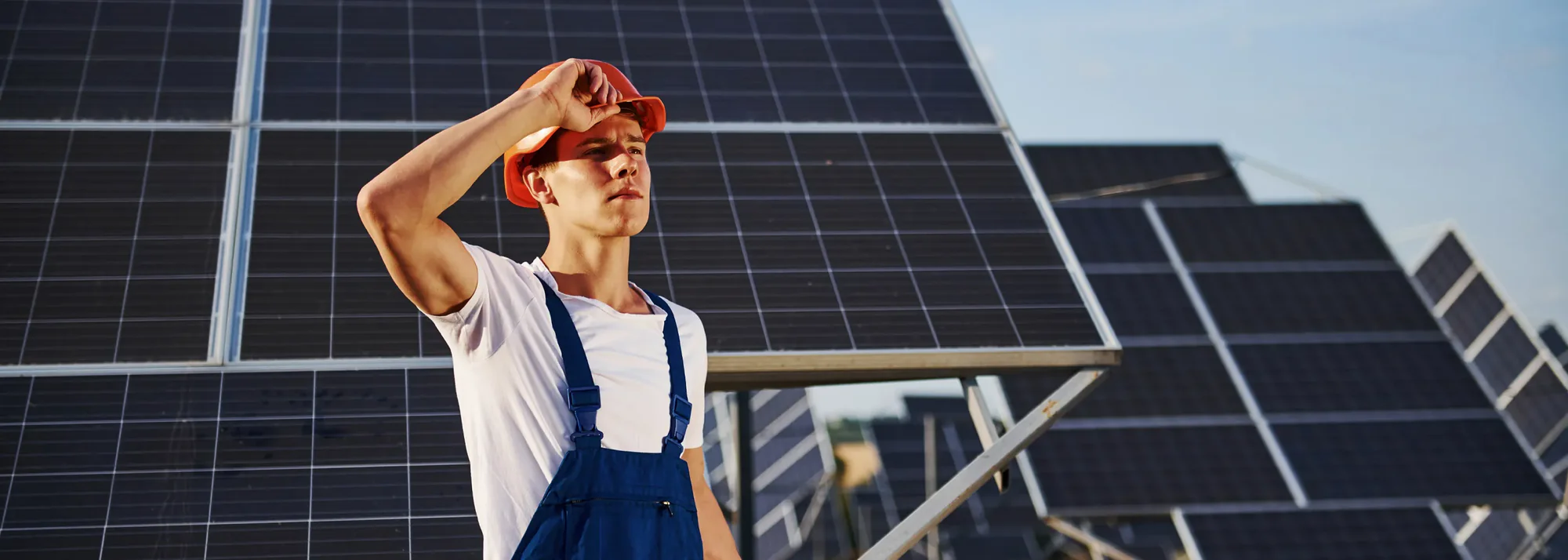
Solar System Price & Benefits in Nigeria: Complete Guide

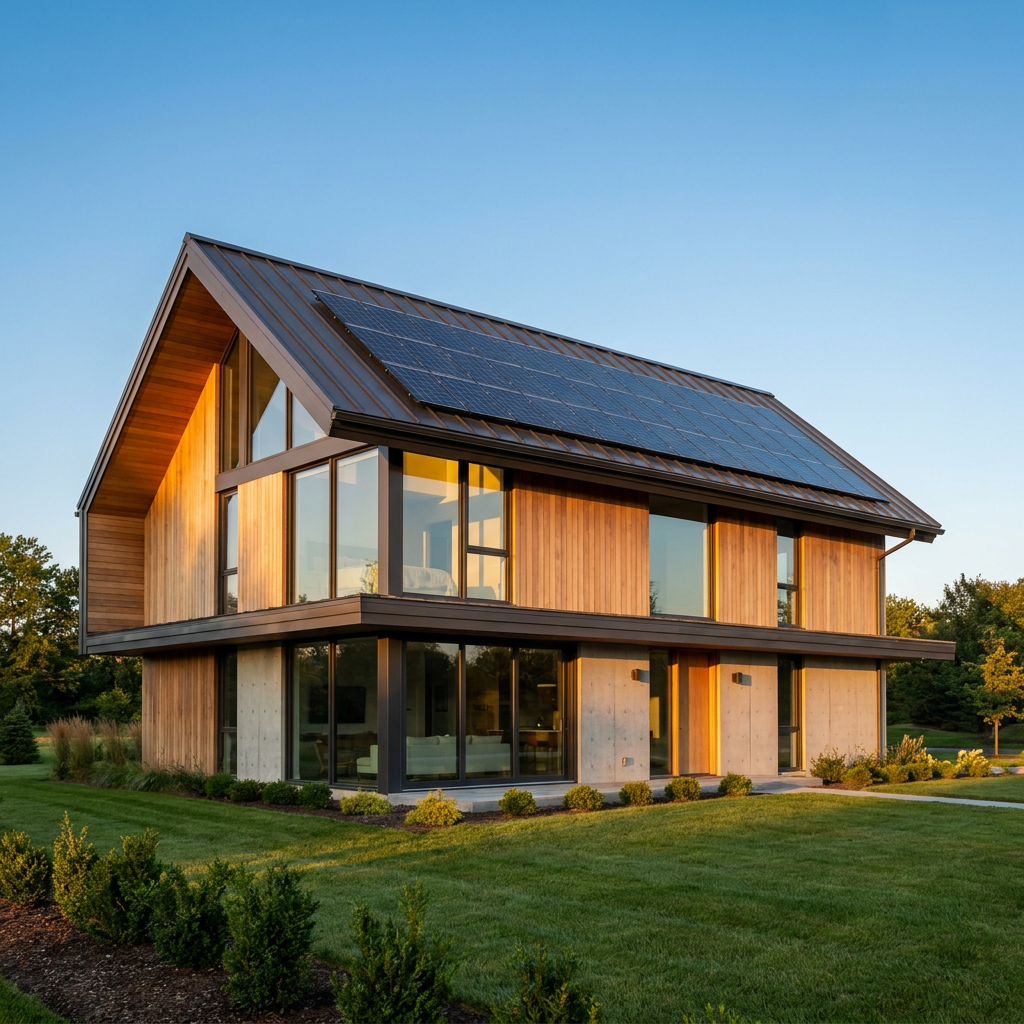
Achieving constant power supply in Nigeria has transitioned from a mere convenience to an absolute business and domestic necessity. With the recent removal of petrol subsidies, skyrocketing diesel prices, and the frequent collapse of the national grid, relying on traditional energy sources has become financially draining. Fortunately, installing a robust solar system offers a sustainable and cost-effective escape route.
This comprehensive guide breaks down the latest solar system price in Nigeria, explores the immense economic solar energy benefits, and helps you choose the perfect solar setup to secure your energy independence.
Key Benefits of Switching to Solar Power in Nigeria
Investing in solar energy is not just an environmental decision; it is a highly rewarding financial strategy for Nigerian homes and businesses. Here are the primary benefits of going solar:
1. Massive Cost Savings on Petrol and Diesel
For decades, businesses and households have relied heavily on fossil-fuel generators. With petrol and diesel prices hovering at historic highs, running a generator for 8 to 12 hours daily is no longer sustainable. A solar power system provides clean electricity with a marginal operating cost close to zero, allowing you to recoup your initial investment in a few short years.
2. Uninterrupted 24/7 Electricity
The national grid’s instability often leaves cities in complete darkness for days. A hybrid solar system—combining solar panels, a hybrid inverter, and lithium battery storage—seamlessly switches between solar, battery, and grid power. This guarantees your lights, internet, refrigerators, and production lines remain active without a single second of interruption.
3. Noise-Free and Clean Environment
Unlike noisy generators that emit hazardous carbon fumes, solar energy systems operate in complete silence. Transitioning to solar significantly improves the air quality and comfort of your living and working environments.
Estimated Solar System Prices in Nigeria (2026)
One of the most frequent questions is: “What is the actual solar system price in Nigeria?”
While the cost depends heavily on the component quality (such as Tier-1 solar panels, hybrid inverters, and lithium battery capacities), the table below outlines the realistic market estimates for complete, high-quality installations in 2026:
| System Capacity & Target Audience | Core Components Included | Estimated Price Range (USD)* | Estimated Price Range (NGN)* |
|---|---|---|---|
| Small-Scale System (1.5kVA – 2kVA) Best for small apartments (lights, fans, TV, laptops) |
• 2-4x 450W Monocrystalline Panels • 1x 2kVA Hybrid Inverter • 1x 12V 200Ah Gel Battery (or 2.5kWh Lithium) |
$1,200 – $2,000 | ₦1,800,000 – ₦3,000,000 |
| Medium-Scale System (3kVA – 5kVA) Best for standard homes & small offices (fridges, water pump, small AC) |
• 6-8x 550W Monocrystalline Panels • 1x 5kVA Hybrid Inverter • 1x 5kWh – 10kWh Lithium Battery (LiFePO4) |
$3,500 – $6,000 | ₦5,200,000 – ₦9,000,000 |
| Large-Scale System (10kVA – 15kVA+) Best for large estates, factories & corporate offices (multiple ACs, heavy machinery) |
• 16-24x 550W Panels • 1x 10kVA – 15kVA Inverter • 1x 15kWh – 30kWh Lithium Battery Bank |
$10,000 – $18,000+ | ₦15,000,000 – ₦27,000,000+ |
*Note: Prices are estimates and may vary based on exact brand configurations, installation complexities, and current foreign exchange rates.
Essential Components of a Modern Solar Power System
To ensure your system lasts for over 25 years, it is vital to understand the key components of a professional solar setup:
- Monocrystalline Solar Panels: These panels have a higher efficiency rate (typically over 21%) compared to polycrystalline panels. They perform exceptionally well in Nigeria’s high-temperature climates and low-light conditions.
- Smart Hybrid Inverter: Acting as the brain of your setup, a hybrid inverter intelligently manages electricity distribution. It directs solar power to your appliances during the day, charges the battery bank, and draws from the grid only when necessary.
- Lithium-Ion (LiFePO4) Batteries: While traditional deep-cycle lead-acid or gel batteries are cheaper upfront, lithium batteries are the superior long-term choice. They offer up to 10 times longer lifespan (6000+ cycles), charge faster, and can be discharged up to 90% without degrading.
Sizing Your Solar System and Choosing Professional Installation
Getting a solar system is not a one-size-fits-all purchase. Installing an undersized system will lead to overload and battery damage, while an oversized system will unnecessarily inflate your upfront costs.
To maximize your investment:
- Conduct a Load Audit: List all appliances you intend to power (including their wattages) and their daily running hours.
- Prioritize Energy Efficiency: Switch to LED bulbs, inverter air conditioners, and energy-efficient refrigerators to reduce your overall load requirements before installing solar.
- Avoid DIY Setups: Improper wiring can cause energy leaks, battery failures, or fire hazards. Always work with certified engineers who offer comprehensive warranties and after-sales support.
Conclusion: Take Control of Your Energy Future
Though the initial capital required for a solar system in Nigeria may seem substantial, the long-term return on investment is undeniable. Within 3 to 4 years, the money saved from purchasing generator fuel and paying high electricity tariffs will completely offset the installation cost. For the remaining 20+ years, you will enjoy practically free, quiet, and reliable power.
Take the bold step towards complete energy independence today. Consult with our expert solar engineering team to get a tailored quote for your home or business!