
Top Industries That Benefit Most from Solar Energy: A Comprehensive Guide

With a focus on Solar Energy Industries Nigeria, the transition to renewable energy is no longer just an environmental choice but a strategic business move. In Nigeria, where energy costs can fluctuate significantly due to grid instability and rising diesel prices, solar photovoltaic (PV) systems offer a stable, predictable, and cost-effective alternative. This guide explores the key industries that are best suited for solar panel adoption and how they can leverage this technology for long-term growth.
Solar Energy Industries Nigeria — 1. Manufacturing and Industrial Sectors
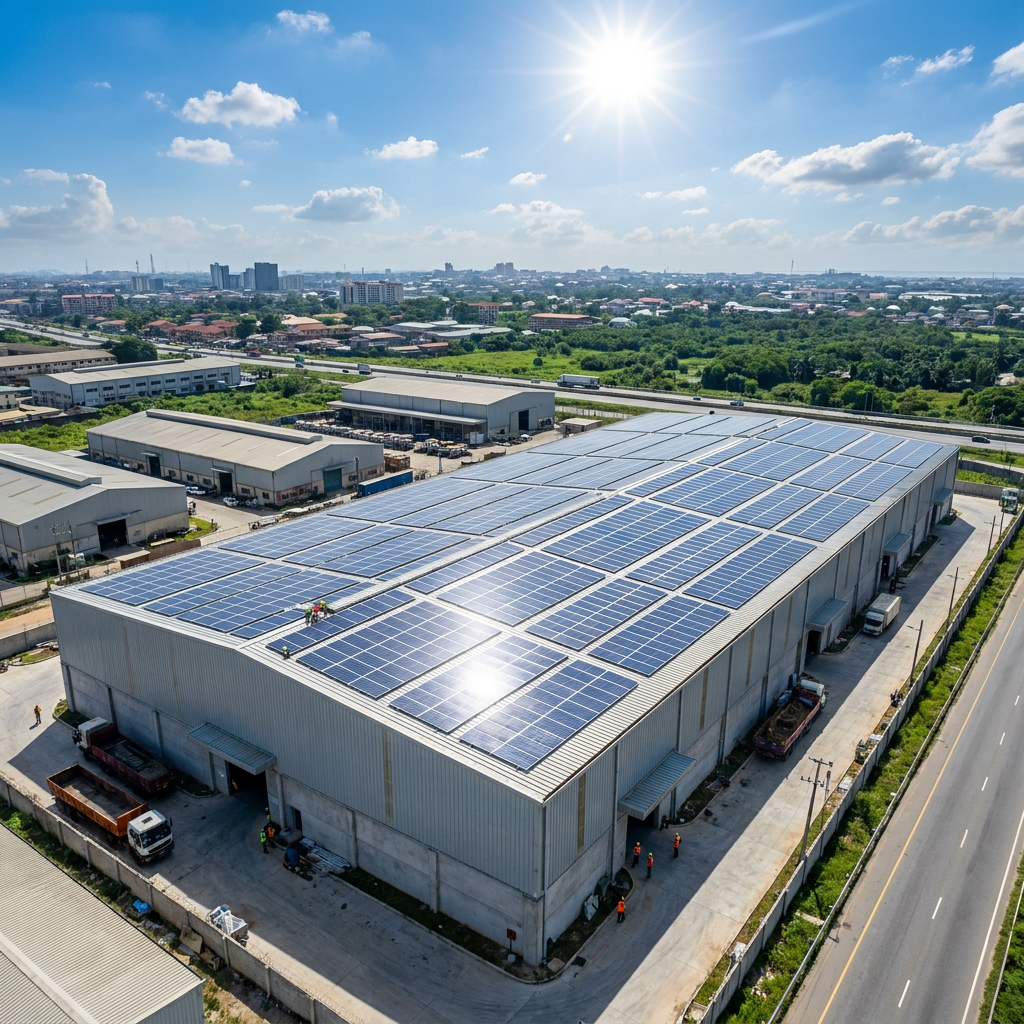
Manufacturing is arguably the biggest beneficiary of solar energy in the Nigerian market. Industrial facilities often have massive, unused rooftop spaces—perfect for large-scale solar arrays. These factories typically operate heavy machinery that requires a constant and reliable power supply.
By integrating solar PV systems with advanced lithium lithium batteries storage solutions (ESS), manufacturers can drastically reduce their reliance on expensive diesel generators and an unreliable national grid. For instance, a food processing plant in Lagos or an assembly line in Ogun State can save millions of Naira in monthly operational costs by powering their non-critical and critical loads through solar energy. This leads to a lower cost of production, making Nigerian-made goods more competitive in both local and international markets. Integrating high-efficiency solar inverters is crucial for converting stored solar energy into usable electricity.
2. Large-Scale Agriculture and Agribusiness
The agricultural sector in Nigeria is undergoing a rapid modernization phase. Solar energy is the perfect partner for this growth, especially for irrigation systems, processing mills, and cold storage facilities located in off-grid rural areas.
Farmers can utilize solar-powered pumps to ensure a consistent water supply for crops year-round, eliminating the need for expensive fuel logistics. In Northern Nigeria, where sunlight is abundant, solar-powered grain mills and cooling centers for perishable goods are empowering local communities. By reducing the overhead costs associated with energy, agribusinesses can reinvest those savings into better seeds, machinery, and logistics, ultimately enhancing food security for the nation.
3. Hospitality: Hotels and Resorts
Hotels are notoriously power-hungry businesses. From 24/7 air conditioning and water heating to laundry and lighting, the energy demand is immense. High energy bills often eat into the profit margins of hospitality businesses in Abuja and Lagos.
Solar panels can significantly lower these operational costs. Beyond the financial benefits, many luxury resorts are now adopting ‘Eco-Friendly’ branding by powering their facilities through 100% renewable sources. This attracts a growing segment of environmentally conscious international and domestic travelers. Implementing a hybrid solar system ensures that guests enjoy uninterrupted luxury while the business enjoys a sustainable and silent power source, far superior to the noise and fumes of traditional generators.
4. Healthcare and Hospitals
Reliable power is a matter of life and death in the healthcare sector. Hospitals require continuous electricity for operating theaters, life-support systems, and vaccine refrigeration. Solar-plus-storage solutions provide a critical safety net. Many clinics in rural Nigeria are now utilizing solar energy to power essential medical equipment, ensuring that healthcare services remain available even during total grid failure.
5. Real Estate and Commercial Hubs
Modern commercial real estate is increasingly integrating solar energy into building designs to attract high-value tenants. Office complexes and shopping malls can use solar power to offset common area expenses, such as elevators, security lighting, and central cooling. This not only reduces the service charge for tenants but also significantly increases the overall property value and ESG (Environmental, Social, and Governance) rating of the development.
Conclusion
Twerd Solar provides specialized photovoltaic solutions and high-performance LiFePO4 battery systems tailored for these high-demand industries in Nigeria. Our engineering team ensures that your transition to solar is seamless, providing maximum efficiency and a high return on investment. Contact us today to see how we can transform your commercial energy strategy