
How Residential Solar Energy Can Save You Money and Increase Home Value

In recent years, Nigeria has faced significant energy challenges, from frequent grid collapses to the rising cost of fossil fuels like petrol and diesel. As a result, many homeowners are turning to residential solar energy as a sustainable and cost-effective alternative. While the initial investment may seem substantial, the long-term financial benefits—including a high return on investment (ROI), increased property value, and protection against fuel price hikes—make solar power one of the smartest financial decisions a homeowner can make today. This article explores how residential solar energy can save you money and enhance the worth of your home.
High Return on Investment (ROI)
One of the most compelling arguments for switching to solar energy is the impressive return on investment. Unlike traditional utility bills, which are recurring expenses with no end in sight, solar energy is an investment in your own infrastructure. Once the system is paid off, the electricity it generates is essentially free for the remainder of its lifespan, which is typically 25 to 30 years.
In Nigeria, where electricity tariffs are frequently adjusted upwards, the “payback period” for a solar system is becoming shorter. Most residential systems pay for themselves within 5 to 7 years through savings on utility bills and fuel for generators. After this period, the savings contribute directly to your household budget. When you calculate the total energy costs over 25 years, the cost of solar energy is significantly lower than the projected cost of grid power and generator maintenance combined. Furthermore, as the efficiency of solar panels continues to improve, homeowners can now generate more power from fewer panels, further optimizing the initial cost and speeding up the ROI.
The financial benefits extend beyond just the monthly savings. By reducing reliance on the national grid and noisy diesel generators, homeowners also save on the indirect costs of power instability, such as the repair of electronic appliances damaged by voltage fluctuations. This comprehensive saving profile ensures that the capital invested in solar technology starts working for the homeowner from the very first day of installation.
Increasing Property Value
Residential solar systems are not just energy generators; they are high-value home improvements. Real estate trends globally and increasingly in Nigeria show that homes equipped with solar energy systems sell faster and at higher prices than those without. Prospective buyers are often willing to pay a premium for a home that offers energy independence and lower monthly operating costs.
A solar-equipped home is seen as a “future-proof” asset. Buyers recognize that they won’t have to worry about immediate investments in power solutions or endure the noise and pollution of generators. Studies have shown that for every Naira saved on annual electricity bills, the home’s value can increase by up to twenty times that amount. This makes solar energy a unique investment that pays you back twice: once through monthly savings and again when you decide to sell your property. In high-end neighborhoods in cities like Lagos and Abuja, solar installations have become a status symbol of modern, sustainable living, further driving up the market demand and resale value.
Moreover, as environmental awareness grows among the younger generation of homebuyers, the “green” credentials of a solar-powered home become a significant selling point. Real estate agents are increasingly highlighting energy efficiency as a key feature in their listings, and solar panels are at the top of that list. This shift in market preference ensures that your investment in solar is protected and likely to appreciate over time.
Protection Against Fuel Hikes and Inflation
The volatility of fuel prices in Nigeria is a major concern for many households. With the removal of fuel subsidies and the fluctuation of the Naira, the cost of running diesel or petrol generators has skyrocketed. Solar energy provides a hedge against this volatility. By generating your own power from the sun, you insulate yourself from the rising costs of fossil fuels and electricity tariff hikes.
Solar energy offers a predictable cost structure. Once installed, your energy costs are locked in, protecting your disposable income from the inflationary pressures that affect almost every other sector of the economy. In an era of economic uncertainty, the stability provided by a residential solar system is invaluable for long-term financial planning. While the price of petrol might double or triple over the next decade, the sun will continue to provide free energy every day, ensuring that your household budget remains stable regardless of global oil market fluctuations.
Durability and Low Maintenance Costs
One of the misconceptions about solar energy is that it requires high maintenance. In reality, solar panels are incredibly durable and have no moving parts, which means there is very little that can break. Most high-quality solar panels are designed to withstand harsh weather conditions, including heavy rain and intense heat, which are common in various parts of Nigeria.
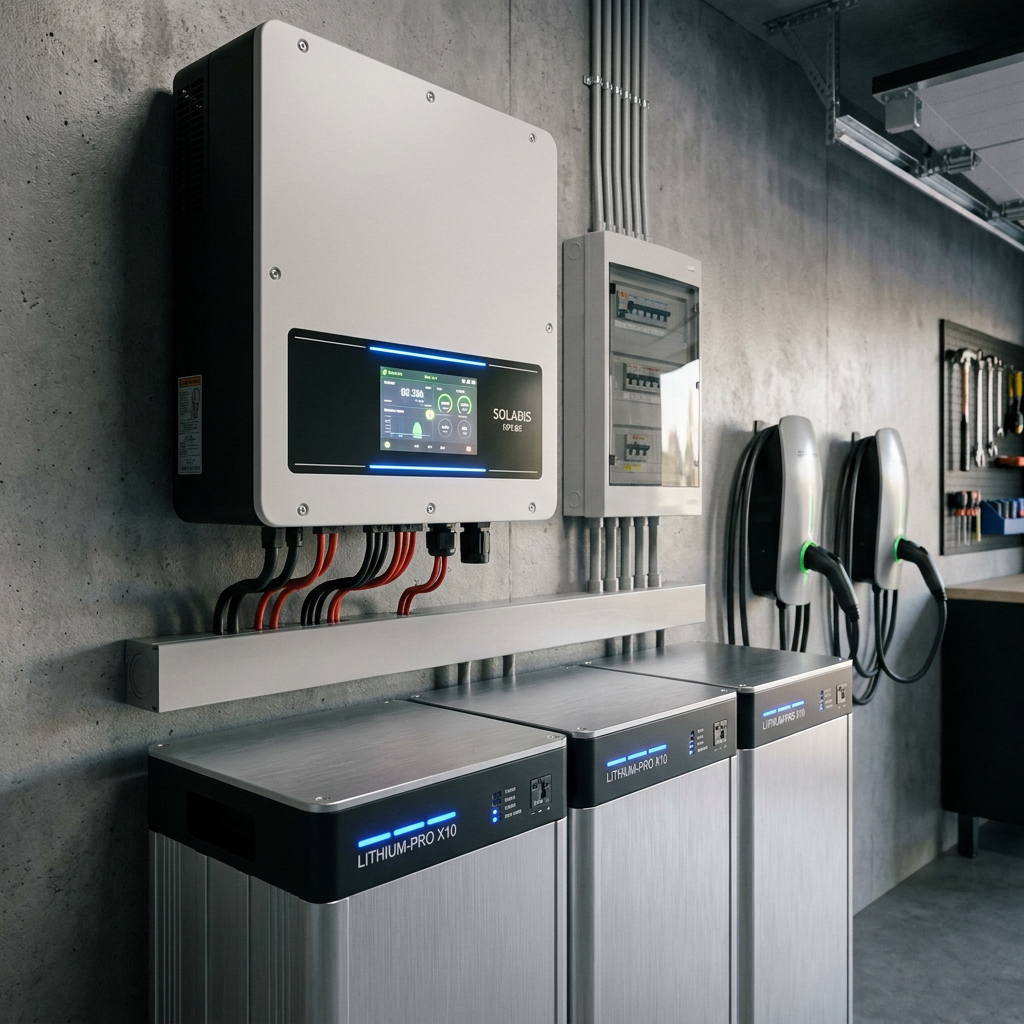
The durability of the system ensures that your investment is protected for decades. Maintenance typically involves simple tasks like cleaning the panels to remove dust and ensuring that the battery and inverter are in good working condition. Compared to the constant maintenance, oil changes, and mechanical repairs required by traditional generators, the ongoing costs of a solar system are negligible. This further contributes to the overall savings and enhances the financial appeal of the system. Most reputable solar installers also provide warranties that cover the performance of the panels for 20 to 25 years, giving homeowners peace of mind and guaranteeing the long-term viability of their investment.
Conclusion
Transitioning to residential solar energy is more than just an environmental choice; it is a strategic financial move. By offering a high ROI, significantly increasing property value, providing a shield against fuel price volatility, and ensuring long-term durability with minimal maintenance, solar power empowers Nigerian homeowners to take control of their energy future.
As the technology continues to advance and the financial benefits become even more apparent, solar energy is set to become the standard for modern, cost-efficient homes. If you are looking for a way to save money, increase your asset’s value, and enjoy uninterrupted power, there has never been a better time to invest in residential solar energy. Not only will you be contributing to a greener planet, but you will also be securing your financial well-being for decades to come. The initial step might seem daunting, but the decades of savings and the peace of mind that come with energy independence are well worth the effort.