
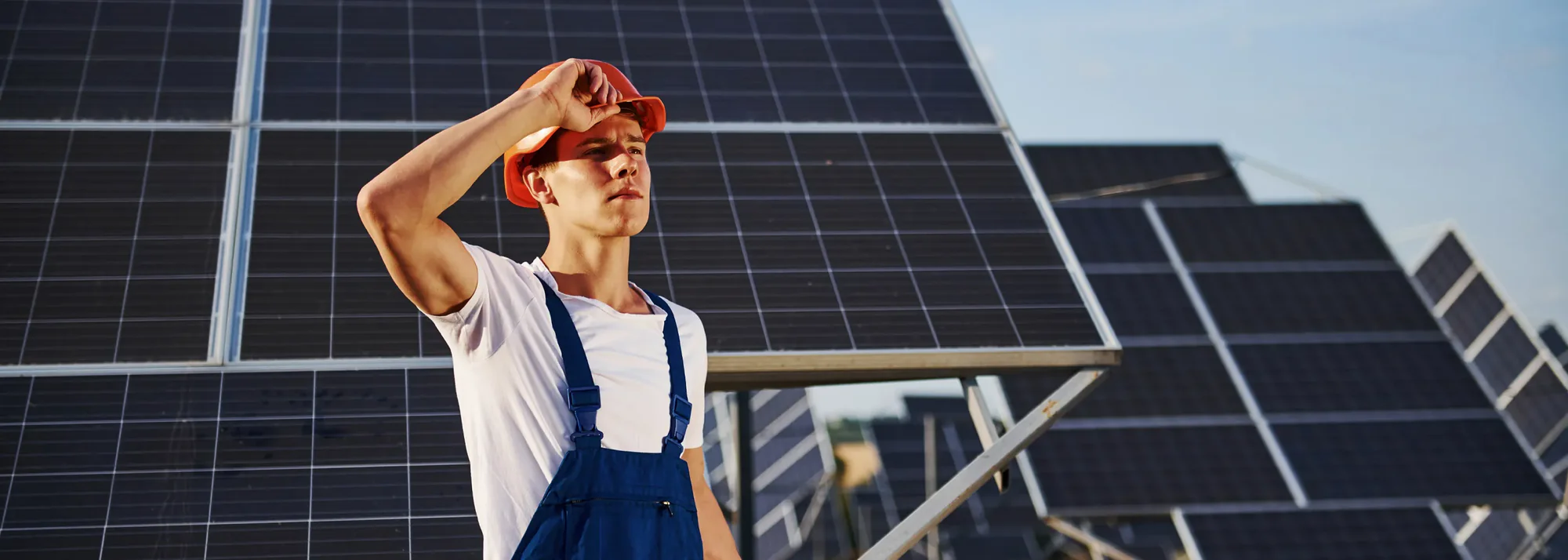
Switching to Home Solar: A Practical Guide to Energy Independence

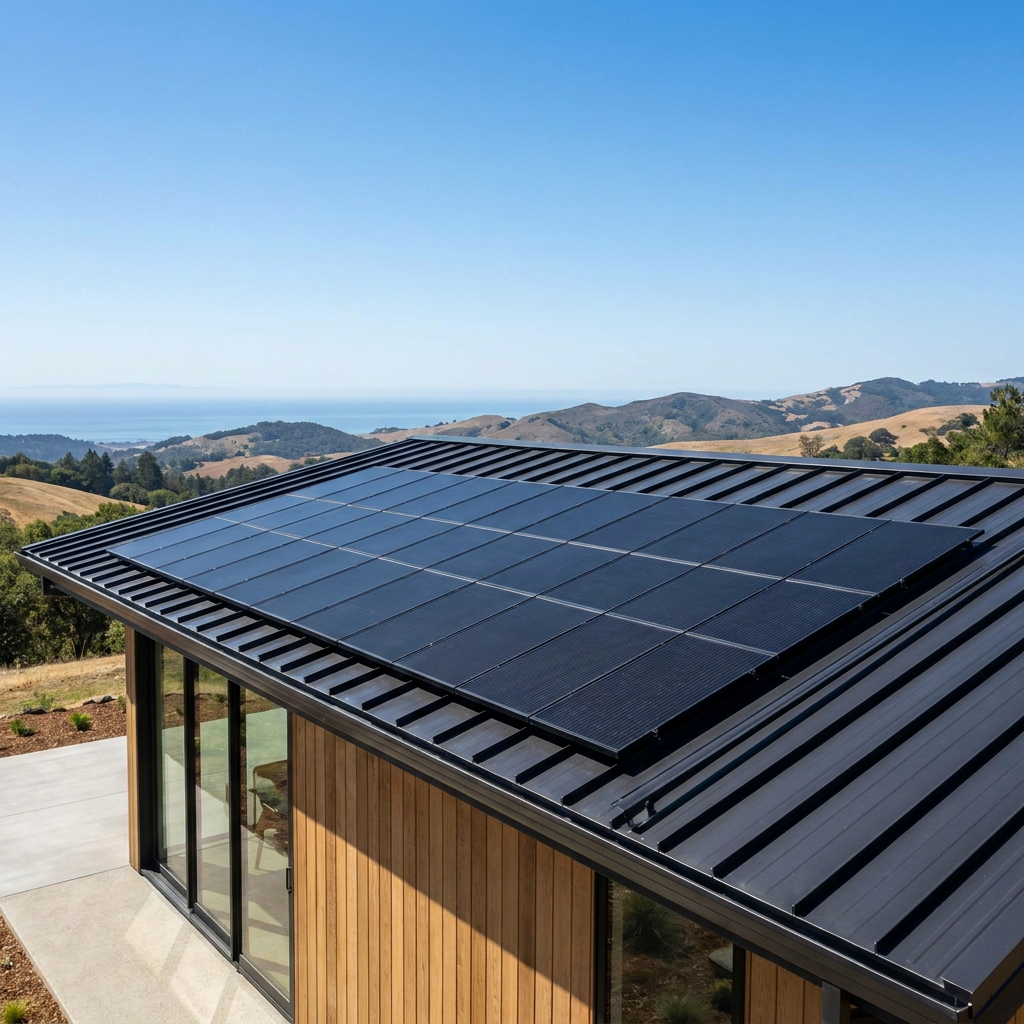
Achieving energy independence is no longer just a luxury; for many households in Nigeria, it has become a fundamental necessity. With the rising costs of traditional utility power and the environmental impact of diesel generators, switching to home solar energy offers a path toward a sustainable and reliable future. This guide provides a practical roadmap for homeowners looking to take control of their power supply through photovoltaic (PV) technology.
### The Foundation of Independence: Understanding Your Energy Profile
The first step toward energy independence is not buying panels, but understanding your consumption. Every home is different. A household running multiple air conditioners, a deep freezer, and water pumps will have a vastly different energy profile than a home focused on lighting and basic electronics.
Conducting a thorough energy audit is critical. Review your utility bills or use a plug-in energy monitor to measure the wattage of your appliances. By identifying ‘vampire’ loads—appliances that draw power even when turned off—and switching to LED lighting and energy-efficient appliances, you can significantly reduce the size (and cost) of the solar system you need.
### Selecting High-Performance Hardware
A solar system is only as strong as its weakest link. For long-term reliability, investing in high-quality components is non-negotiable.
– **Solar Panels**: Monocrystalline panels are generally preferred for residential use due to their higher efficiency and sleeker appearance. They perform better in low-light conditions and have a smaller footprint per watt.
– **Solar Inverters**: The inverter is the ‘brain’ of the system. Hybrid inverters, like those offered by Twerd, are the gold standard for energy independence. They can intelligently manage power from solar panels, the grid, and battery storage simultaneously, ensuring your home remains powered even when the grid fails.
### The Storage Revolution: Moving Beyond Lead-Acid
In a market like Nigeria, where 24/7 solar power is the goal, battery storage is where energy independence is won or lost. Traditional lead-acid batteries are increasingly obsolete for serious residential applications. The future belongs to Lithium Iron Phosphate (LiFePO4) technology.
LiFePO4 batteries offer several critical advantages:
1. **Cycle Life**: They can last for over 6,000 cycles, meaning they can serve a home for 10-15 years, compared to 2-3 years for lead-acid.
2. **Depth of Discharge (DoD)**: You can safely use up to 90% of a lithium battery’s capacity without damage, whereas lead-acid should rarely be discharged below 50%.
3. **Safety**: LiFePO4 is chemically stable and poses a much lower fire risk, which is essential for indoor home installations.
### Professional Installation and Safety Protocols
While the DIY spirit is admirable, solar installation involves high-voltage electricity and structural rooftop work. A professional installer ensures that the panels are oriented for maximum sun exposure (typically south-facing in Nigeria) and that the mounting system can withstand high winds.
Furthermore, proper electrical protection—including surge protectors, circuit breakers, and grounding—is vital to protect your investment from lightning strikes or grid surges. A professional installation also ensures your system complies with local electrical codes, which is important for insurance and home resale value.
### Monitoring and Long-Term Maintenance
Energy independence is an ongoing journey. Modern solar systems come with monitoring software (often accessible via a smartphone app). This allows you to see in real-time how much power you are generating versus what you are consuming. Monitoring helps you identify performance dips—perhaps caused by dust on the panels or a shading issue—before they impact your power availability.
Maintenance for a well-installed system is surprisingly low. Keeping panels clean from dust and debris, checking cable connections annually, and ensuring the inverter area is well-ventilated are usually the only tasks required to keep the system running at peak performance for 25 years or more.
### Conclusion: Taking the Leap
The transition to home solar is a significant investment, but it is one that pays dividends in peace of mind, financial savings, and environmental stewardship. By following a structured approach—auditing energy needs, choosing quality hardware like Twerd inverters, and prioritizing advanced storage solutions—you can effectively ‘fire’ the grid and enjoy a life powered by the sun. The sun shines brightly over Nigeria; it’s time to let it power your home.