
Maximize Your Savings: The Complete Guide to Solar Panel Cost and ROI in Nigeria

# Maximize Your Savings: The Complete Guide to Solar Panel Cost and ROI in Nigeria
As energy costs continue to rise and the reliability of the national grid remains a challenge for many, more Nigerian homeowners and businesses are turning their eyes toward the sky. Solar energy is no longer just a “green” alternative; it is a strategic financial investment. In this guide, we dive deep into the real cost of solar panels in Nigeria and, more importantly, the impressive Return on Investment (ROI) they offer in today’s economy.
## The Rising Demand for Solar Panels in Nigeria
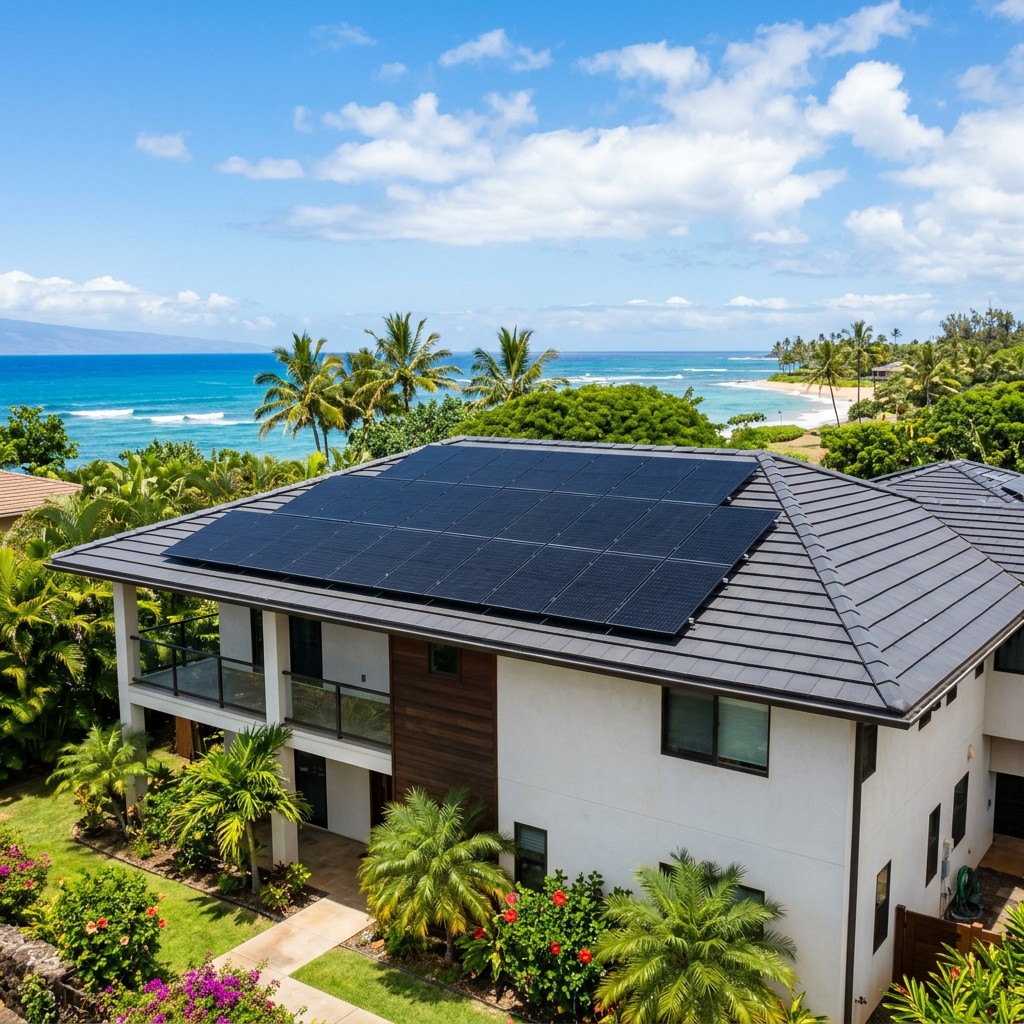
The shift toward renewable energy in Nigeria is driven by two main factors: the increasing price of diesel and petrol for generators, and the desire for consistent, 24/7 power. Whether you are in Lagos, Abuja, or Port Harcourt, installing **solar panels in Nigeria** has become the ultimate solution for energy independence. But the question most people ask is: “Is it worth the initial cost?”
## Understanding the Initial Investment
The initial cost of a solar system typically includes the solar panels, an inverter, deep-cycle or lithium batteries, and professional installation. While the price can vary based on the capacity (e.g., 3kVA, 5kVA, or 10kVA systems), it is essential to view this not as an expense, but as “pre-paying” for 25 years of electricity.
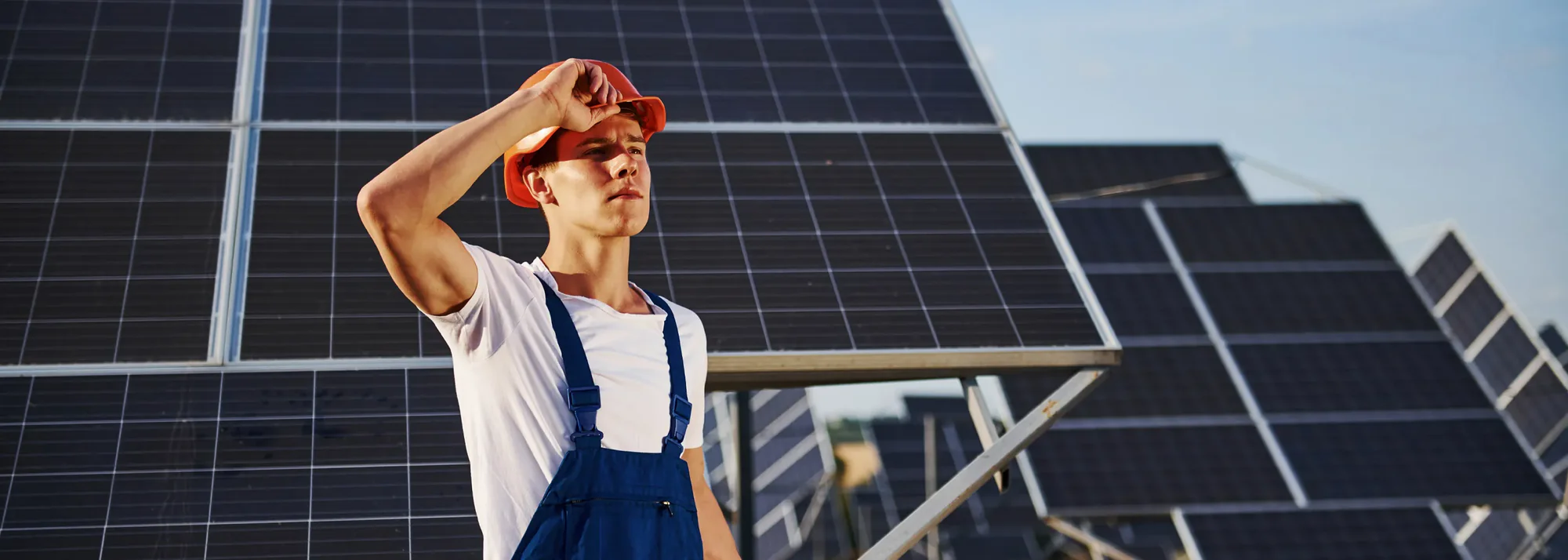
At **Twerd.ng**, we focus on providing high-quality **monocrystalline solar panels** that offer the highest efficiency rates, even in the tropical heat of Nigeria. High-quality components might cost more upfront, but they significantly reduce maintenance costs and improve long-term yields.
## Calculating the ROI: When Does Solar Pay for Itself?
The “payback period” is the time it takes for the savings on your electricity and fuel bills to equal the cost of the solar system. For most Nigerian households and small businesses:
1. **Fuel Savings**: If you spend ₦50,000 to ₦150,000 monthly on petrol or diesel for generators, a solar system can pay for itself in as little as 2.5 to 4 years.
2. **Increased Property Value**: Homes with functional, high-capacity solar systems command higher market values and attract buyers faster.
3. **Business Continuity**: For businesses, solar prevents downtime. The cost of one lost working day due to power failure often exceeds the monthly financing cost of a solar array.
After the payback period, the electricity generated by your panels is essentially free. With a lifespan of over 25 years, you could be looking at 20+ years of pure profit from your energy system.
## Choosing the Right Partner for Solar Panel Installation in Nigeria
To maximize your ROI, the quality of installation is just as important as the quality of the panels. Improper wiring or poorly angled panels can lead to energy loss and even damage to your batteries.
**Twerd.ng** specializes in end-to-end solar solutions. Our team of experts ensures that every **solar panel installation in Nigeria** we handle is optimized for the local climate. We use advanced load-balancing techniques to ensure your batteries last longer and your panels produce the maximum possible wattage throughout the day.
## Conclusion: Start Your Journey to Energy Freedom
The best time to install solar was yesterday; the second best time is today. By investing in solar energy, you are protecting yourself against future fuel price hikes and ensuring your family or business always stays powered.
Ready to see how much you can save? Visit our products page at [Twerd.ng](https://twerd.ng/) to explore our range of high-efficiency solar panels and complete off-grid systems. Let’s build a brighter, more sustainable Nigeria together.